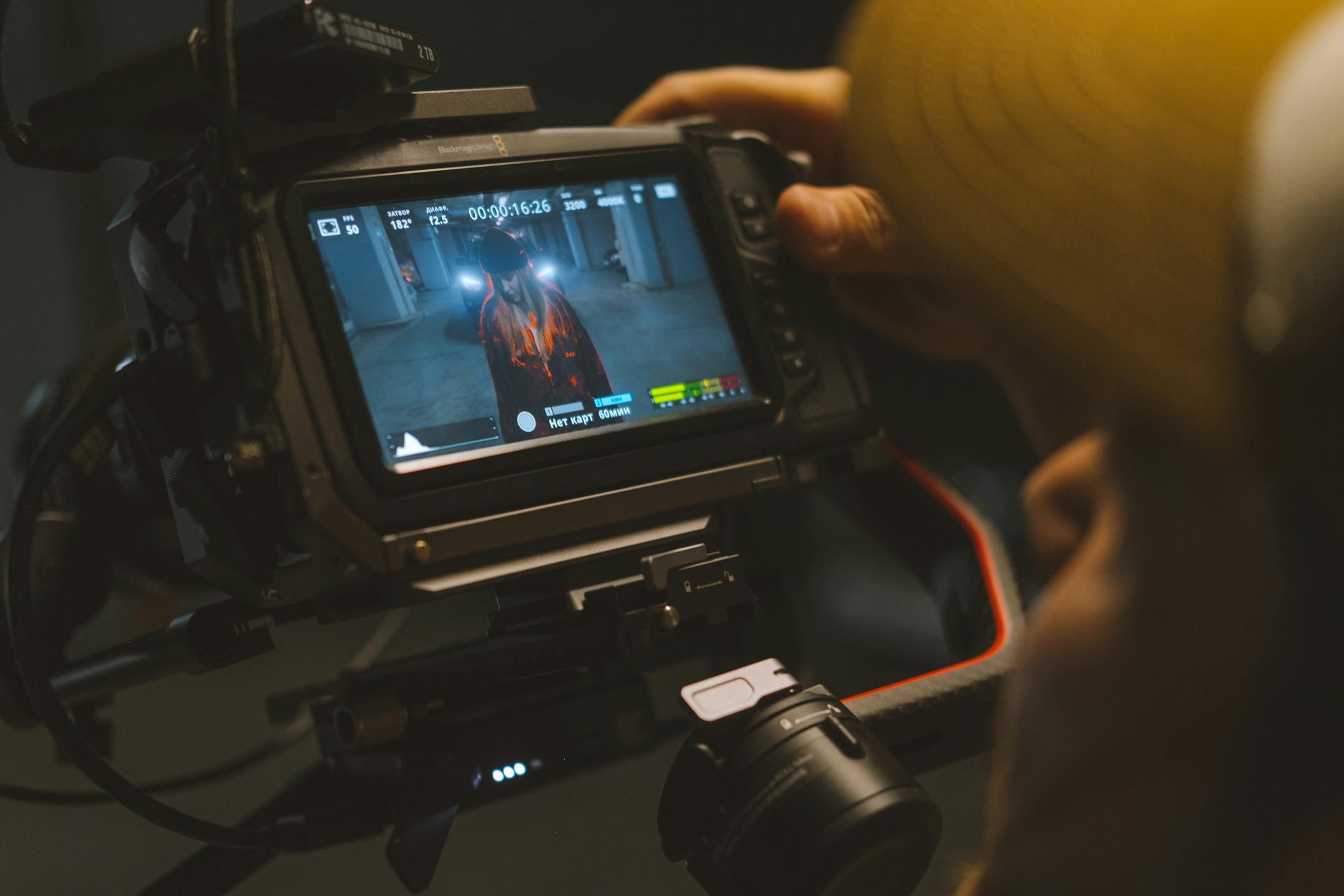
The gap between “professional cinema” and “indie filmmaking” used to feel almost impossible to cross. If you didn’t have access to expensive film cameras, elite post-production houses, studio-backed workflows, or major investors, you simply weren’t entering the same conversation. Your work was often judged before anyone even pressed play.
That wall keeps getting smaller.
Recently, several filmmaking and cinema-technology outlets, including No Film School
and ProVideo Coalition
, covered the news that the Blackmagic PYXIS 12K received Netflix approval for productions intended for Netflix Originals. That matters far beyond camera enthusiasts debating specifications online.
Psychologically, this changes something for independent filmmakers.
It sends a signal that professional-level image acquisition is no longer reserved exclusively for giant productions with massive infrastructure behind them. A filmmaker with discipline, a strong visual eye, solid audio, and meaningful writing can now create technically viable work using tools that would have been financially unreachable for most artists twenty years ago.
That’s the real story here.
The democratization of filmmaking technology has quietly become one of the most important cultural shifts in modern cinema.
You no longer need permission from the traditional gatekeepers to begin creating serious work. You don’t need a million-dollar camera package to tell a story honestly. You don’t need a studio lot to build atmosphere. You don’t need to wait for Hollywood to “discover” you before learning how to make something meaningful.
That doesn’t mean filmmaking suddenly became easy.
In some ways, it became harder.
Because now the excuse of “I don’t have access” matters less than it once did.
Today, I see films with incredible image quality, beautiful lighting, clean color grading, drone shots, anamorphic lenses, and flawless production design... yet they still feel emotionally empty. They look expensive but say nothing. Somewhere along the way, some filmmakers started confusing cinematic polish with cinematic truth.
Technology can enhance storytelling. It cannot replace wisdom.
A Netflix-approved camera cannot save weak writing.
A 12K sensor cannot manufacture emotional honesty.
Perfect lighting cannot create depth in characters who were never fully understood by their creators.
That’s why I think the real divide in filmmaking is changing.
It’s no longer primarily about who has the best equipment.
It’s about who has something genuine to communicate.
That shift matters deeply for organizations like Gloriafilm because independent film communities no longer have to build themselves around scarcity alone. We can build around education, collaboration, storytelling discipline, and cultural perspective instead of endlessly chasing validation from institutions that historically controlled access.
The future indie filmmaker probably won’t need fewer cameras.
They’ll need fewer gatekeepers, better tools, stronger communities, and the courage to actually say something real once the camera starts rolling.
Sources / Reporting Referenced:
No Film School coverage of the Blackmagic PYXIS 12K Netflix approval
ProVideo Coalition reporting on the PYXIS 12K Netflix approval
Y.M.Cinema analysis of Netflix-approved PYXIS workflows and specifications
Get updates on upcoming screenings, workshops, and inspiring stories from Gloriafilm Society.