This was Sundance's last year in Park City, UT, ending without its founder, Robert Redford, who passed last September. The festival still pulled in over seventeen thousand submissions, more than ever, even as buyers on the ground admitted the marketplace itself is struggling. Documentary sales are down. Consolidation has thinned the number of distributors willing to take a risk. Nobody at this year's festival could point to a true breakout the way people once pointed to Coogler or Soderbergh. An industry veteran called it plainly: a great festival for people who love cinema, not necessarily a great marketplace for buying or selling one.
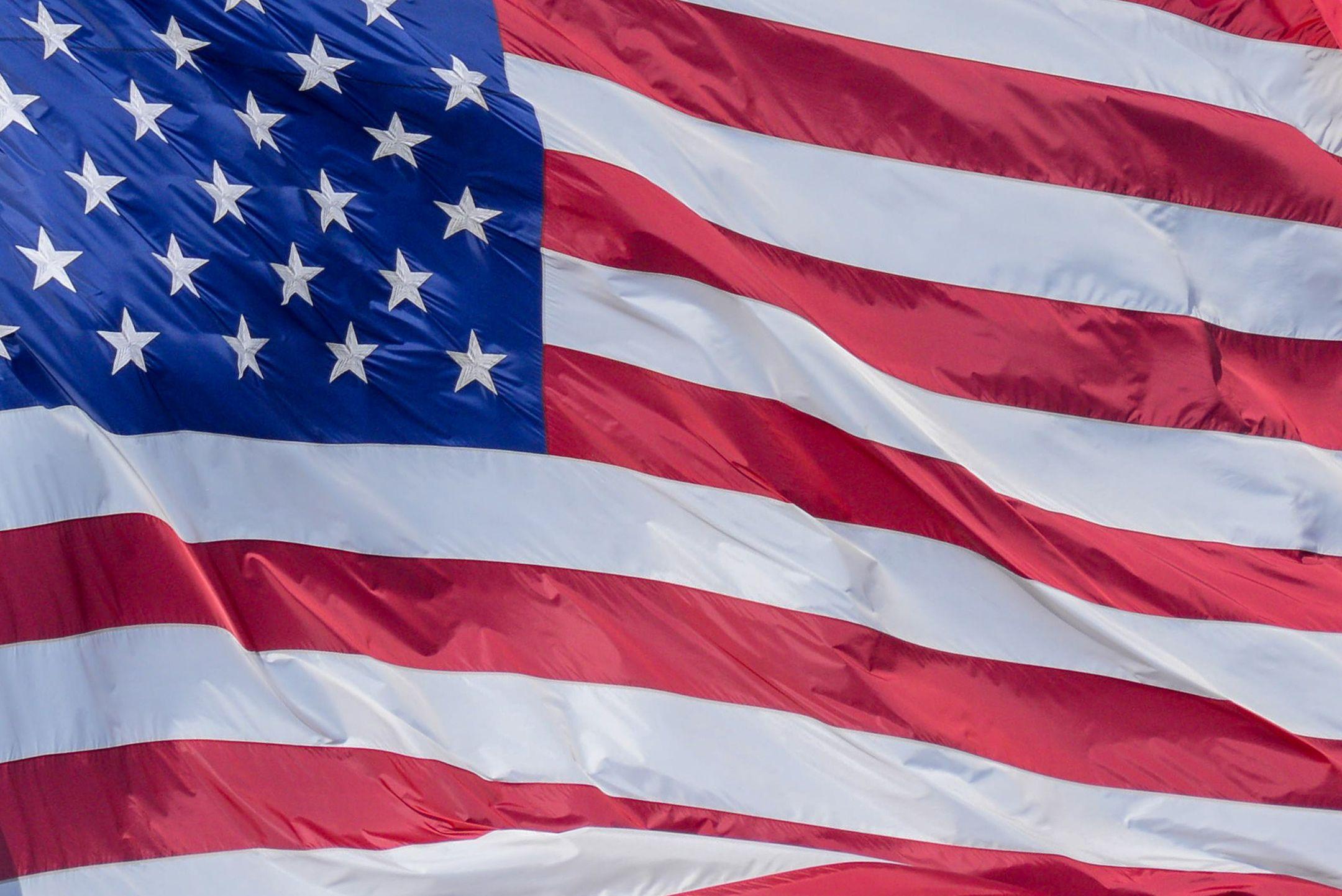
That is the paradox independent film sits inside right now, in the same year the country turns 250. The old machine, the one where a festival premiere led to a distributor, a release, a career, is not gone, but it is no longer reliable. Panels at SXSW this year went further and called the traditional festival-to-streaming pipeline broken for the vast majority of creators. That sounds like bad news. We think it's the opposite.
Because the same year that pipeline cracked is the year the tools caught up to the ambition. Google put roughly seventy-five million dollars behind a research partnership with A24, explicitly aimed at preserving creative control rather than just making things cheaper and faster. Independent filmmakers with no crew and no location budget are already screening work made with consumer tools at places like Soho House. A twenty-three minute pilot, shot with nobody behind a camera, made in four days. None of this replaces a filmmaker's eye. It removes the financial gate that used to sit in front of it.
We keep coming back to one idea when we talk to filmmakers here in Utah: America was built by people who did not wait for permission from an institution that did not yet believe in them. Independent film has always carried a version of that same instinct. What changed this year is that the instinct now has real leverage behind it. A story does not need a studio's budget to look and sound like it belongs on a real screen. What it still needs, and what no AI model can generate for you, is a community that will watch it, argue about it, and tell you the truth about whether it worked.
That is the gap. Not tools. Not talent. Community. The filmmakers who figure out how to build an audience before they need one, the way Angel Studios built its guild model, are the ones who will use this moment instead of getting lost in it. The ones who wait for a gatekeeper that no longer exists in the shape it used to will keep submitting to festivals that cannot promise them anything on the other side.
Two hundred and fifty years in, the American story is still being told by people who decided to tell it themselves. Independent film, right now, is standing in exactly that same posture. The opportunity in front of it is real. So is the risk of missing it by waiting for the old system to come back.
Why This Matters to Gloriafilm
This is the exact moment Gloriafilm exists for. As the old distribution gate weakens and AI removes the budget gate, the thing every independent filmmaker still needs is a community that believes in their story before anyone else does. That is not a tool problem. It is a belonging problem, and it is ours to solve.
__________________________
Tags: independent film, AI filmmaking, Sundance 2026, film distribution, America 250th anniversary, indie cinema, Robert Redford, A24, filmmaker community, Gloriafilm
Sources: TheWrap (Sundance 2026 market preview), Variety (Google/A24 DeepMind partnership; Subtext launch), Wikipedia (2026 Sundance Film Festival), No Film School / SXSW "Niche to Notice" panel coverage via Podcast Videos, Imagine.art (AI filmmaking guide), FILM CRUX (AI tools roundup)
Get updates on upcoming screenings, workshops, and inspiring stories from Gloriafilm Society.