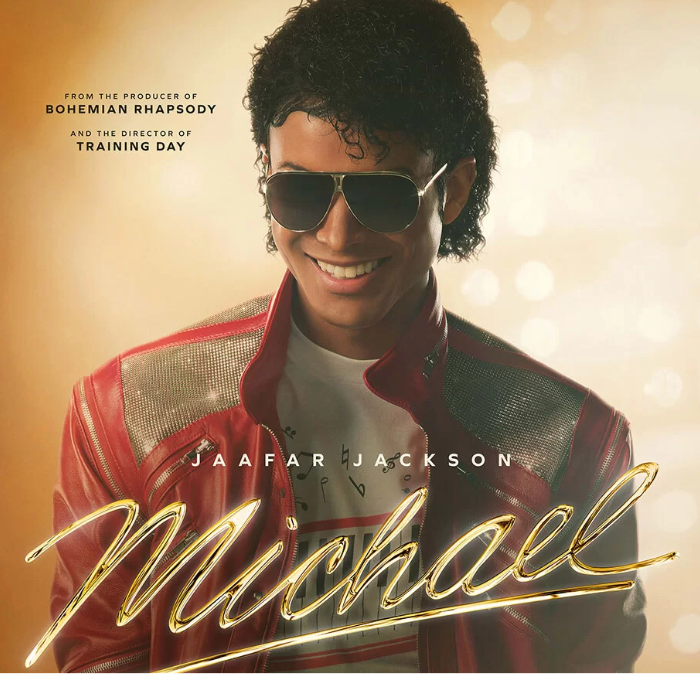
In a stunning turn of events, the music biopic Michael has not only captivated audiences but also shattered box office records, opening with an astonishing $217 million globally. With $97 million of that coming from domestic ticket sales, Michael has redefined the landscape for biopics, proving that the allure of nostalgia and the power of iconic music can transcend critical opinions. As critics have been vocal about their mixed reviews, citing the film as “sanitized” and “incomplete,” audiences are overwhelmingly embracing the film, marking a significant rift between critics and viewers.
This phenomenon highlights a pivotal shift in Hollywood, revealing that, right now, audiences are prioritizing emotional connections and familiar stories over critical acclaim. The extraordinary opening of Michael serves as a wake-up call for studios, signaling that the key to success lies not just in the quality of filmmaking but also in the nostalgia tied to legacy icons. As buzz grows and plans for sequels begin to take shape, the lesson is clear: stories connected to cultural touchstones are becoming the safest bets in an evolving industry landscape.
A spectacular box office debut: Michael sets new records
Michael defied all expectations with an astonishing global box office debut of $217 million, including a remarkable $97 million from domestic markets. This performance not only crushed pre-release tracking estimates of $50–70 million but also established the film as the highest-grossing opening for a music biopic in history. Audiences flocked to theaters, driven by a potent mix of nostalgia and the film's compelling music, transforming what was anticipated to be a modest hit into a monumental success story. As moviegoers reveled in the journey through the life of a cultural icon, Michael captured the spirit of its audience and resonated deeply with their emotions.
The film's explosive arrival at the box office signals a significant shift in consumer behavior. Traditionally, critics hold considerable sway over a film's performance, yet Michael shattered that mold. With near-universal approval ratings soaring into the 90% range, audiences made their voices heard despite the critical backlash labeling the film as sanitized and incomplete. This striking contrast highlights an essential takeaway: moviegoers prioritize their personal connections and emotional ties to storytelling over critics’ assessments. As Michael dominates the box office, it amplifies the emerging truth that audiences are eager to engage with narratives that resonate with their experiences and recollections, regardless of critical reception.
Audience enthusiasm vs. critical reception: A stunning disparity
Critics have voiced their discontent, labeling Michael as “sanitized” and “incomplete,” suggesting that it fails to capture the full essence of its subject. However, this critical reception has done little to dampen audience enthusiasm. Fans have flocked to theaters, drawn in by the familiarity of the music and the emotional weight of the story. With audience approval ratings soaring into the 90% range, it’s clear that what resonates with viewers can sharply contrast with critical opinion. This powerful disconnect highlights a crucial truth: audiences are often more invested in their personal connections to the material than they are in the assessments of critics.
This divergence begs the question—what truly drives box office success? As Michael proves, nostalgia and a deep-seated cultural connection can outweigh any negative reviews. Instead of hedging their bets based on early critical feedback, viewers are making their own judgments, ultimately prioritizing emotional experiences over technical critiques. In a landscape flooded with content, audiences crave stories that evoke memories and resonate on a personal level. This shift signals a hopeful future for films that embrace sentimentality and legacy, making it clear that the collective passion of audiences holds significant power at the box office.
The future of Hollywood: Why legacy icons are the key to success
Hollywood is rapidly evolving, and the success of Michael illustrates a potent trend: legacy icons consistently draw audiences to theaters. People crave stories connected to familiar figures and beloved music, creating a sense of nostalgia that is hard to resist. As studios observe the massive box office returns stemming from films that celebrate real-world cultural icons, they are acknowledging that the safest bets often lie in the familiar. In a landscape inundated with options, tapping into existing emotional connections becomes a strategic advantage that cannot be overlooked.
Moreover, legacy stories have a built-in audience that extends beyond demographics. They transcend generational divides, appealing to both older fans who pay homage to their youth and younger viewers discovering these icons for the first time. This dynamic not only boosts ticket sales but fosters a communal experience, allowing audiences to engage with stories that resonate on multiple levels. As the industry shifts its focus toward projects that embody this concept, we can expect a surge in creative endeavors that leverage nostalgia, legacy, and cultural significance—ultimately shaping the future of cinematic storytelling.
Get updates on upcoming screenings, workshops, and inspiring stories from Gloriafilm Society.