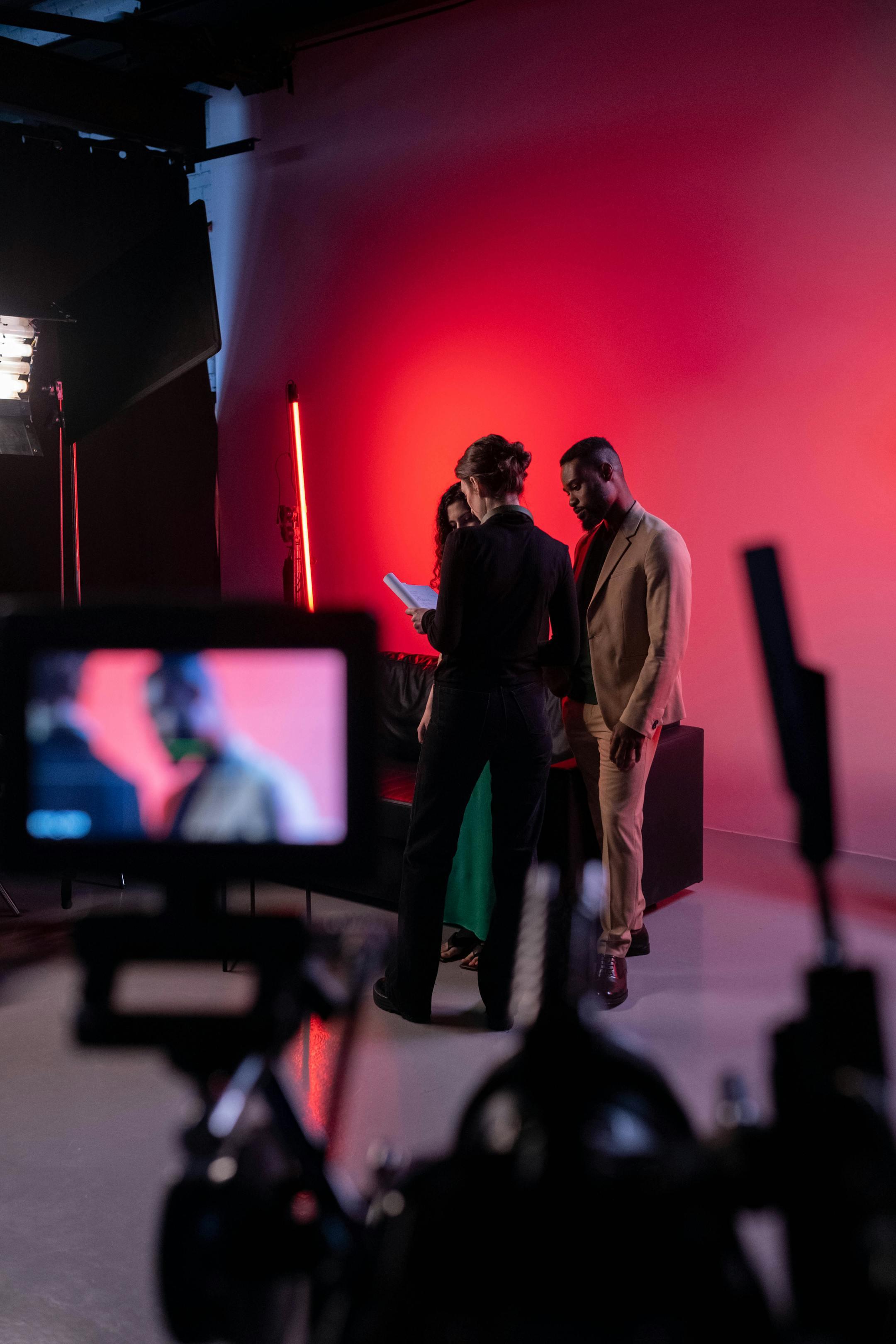
The Cannes Film Festival has always represented prestige within global cinema, but this year the festival feels different to me. Not smaller. Not weaker. Just... more honest.
For the first time in a long while, much of the conversation surrounding Cannes hasn’t revolved around giant studio campaigns, superhero franchises, or carefully engineered blockbuster rollouts. Instead, the spotlight shifted toward auteur filmmakers, international voices, regional storytellers, and smaller-budget productions with something personal to say.
And honestly, I think that might be good for cinema.
Reuters
reported that buyers and distributors at Cannes are increasingly gravitating toward films in the $10–15 million range rather than giant studio tentpoles. Variety
framed this year’s festival as relying heavily on auteurs and filmmaker-driven projects to generate the creative energy Hollywood usually provides. Vulture
, Deadline
, and Semafor
all circled the same underlying reality: audiences appear increasingly exhausted by formula filmmaking.
I think that exhaustion matters.
For years, Hollywood operated under the assumption that bigger automatically meant better. Bigger franchises. Bigger universes. Bigger intellectual property. But somewhere along the way, many films stopped feeling authored and started feeling assembled. Audiences can sense that difference now. I think people are craving films with identity again. Stories shaped by perspective instead of algorithms.
That’s where Cannes becomes important to me.
By elevating filmmakers willing to take creative risks, the festival is helping nurture renewed interest in cinematic identity itself. Not identity as marketing strategy, but identity as artistic voice. Cultural specificity. Emotional honesty. Distinct worldview. The kinds of qualities that can’t be manufactured through committee oversight.
What excites me most is how this shift benefits filmmakers traditionally operating outside Hollywood’s center of gravity. Independent creators. Faith-rooted storytellers. Minority filmmakers. Regional film communities. Artists building careers without waiting for institutional permission.
Technology has already lowered many production barriers. To me, the real divide now isn’t access to cameras or editing software. It’s whether filmmakers actually have something truthful to communicate.
And ironically, that may be where smaller cinema communities now hold an advantage.
Independent films often carry a sense of human perspective that giant franchises struggle to maintain at scale. They can reflect local culture, lived experience, spiritual questions, family dynamics, or social realities without needing to satisfy every quadrant of a global corporate strategy. That authenticity resonates because audiences are increasingly hungry for stories that feel personal instead of manufactured.
I also think a Hollywood-light Cannes creates space for global cinema to breathe again. Filmmakers from countries and communities traditionally overshadowed by American dominance now have greater visibility. Audiences are discovering films through festivals, streaming, social media, and creator-driven conversations rather than relying entirely on studio marketing pipelines. That changes the balance of influence inside cinema culture.
At Gloriafilm, I believe that matters deeply.
Cinema has always been strongest when it reflects human perspective instead of corporate uniformity. The future may not belong exclusively to the loudest franchise anymore. I think it may belong to filmmakers who know exactly who they are, exactly who they’re speaking to, and why their story matters.
To me, Cannes this year feels less like Hollywood’s absence... and more like cinema rediscovering its voice.
Get updates on upcoming screenings, workshops, and inspiring stories from Gloriafilm Society.