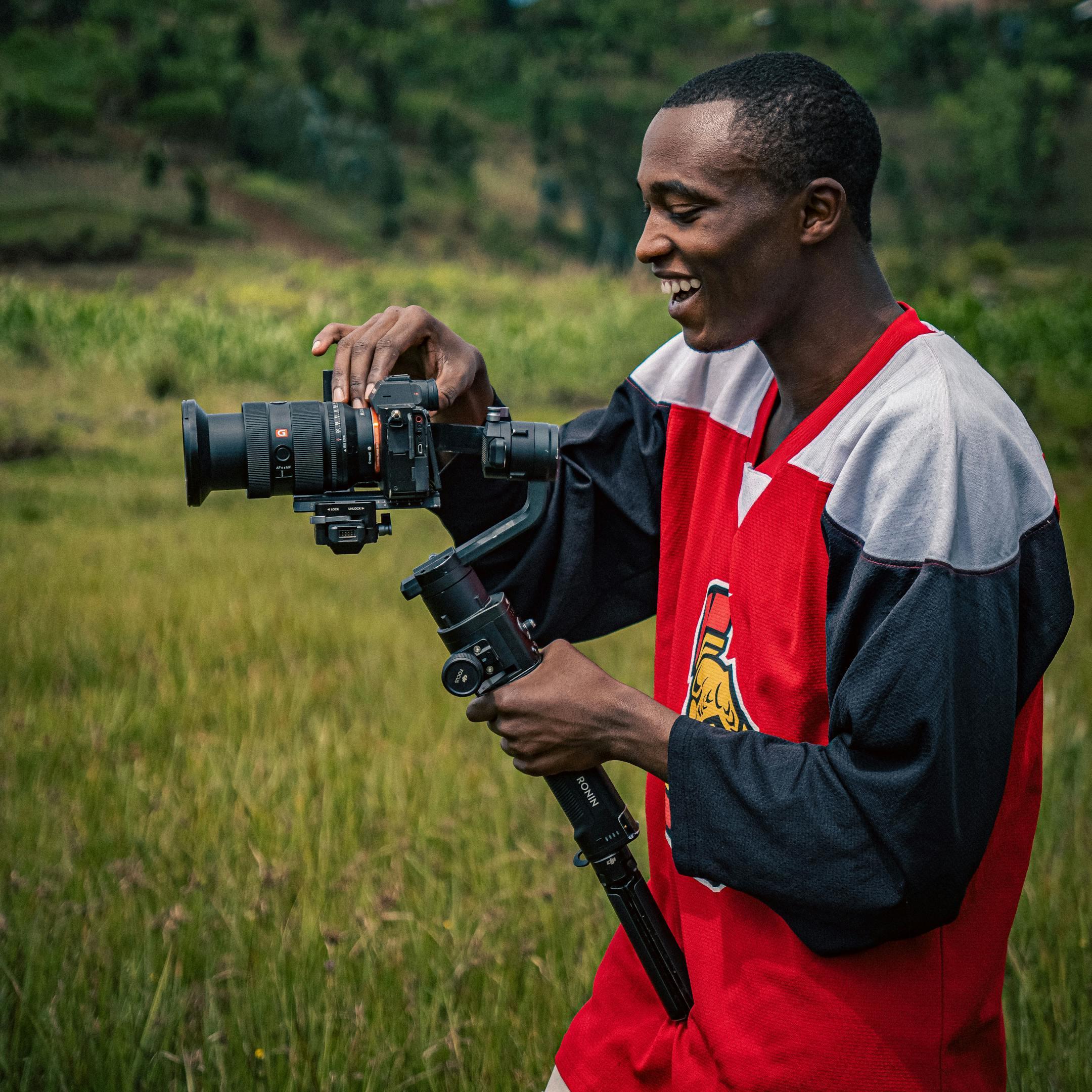
For years, African cinema was described as “emerging,” as if it were permanently waiting for permission to arrive. That framing is starting to collapse.
This year’s strong African presence at the Cannes Film Festival made that impossible to ignore. The Hollywood Reporter
highlighted filmmakers and projects connected to Nigeria, Rwanda, Morocco, Congo, and the Central African Republic. Meanwhile, Variety
continues tracking the rapid growth of African filmmaking despite major financing and distribution challenges.
What’s changing is bigger than one festival.
For decades, Hollywood largely controlled which international stories reached worldwide audiences. If Western distributors, studios, or critics didn’t validate a film, many audiences never discovered it. That system created cultural bottlenecks. Entire regions of filmmaking talent remained underexposed globally, even while thriving locally.
Technology disrupted that model.
Streaming platforms, film festivals, YouTube essays, TikTok clips, podcasts, Letterboxd culture, and creator-driven conversations now help audiences discover films independently from traditional studio marketing systems. A powerful scene from a Nigerian drama or Moroccan thriller can circulate worldwide overnight. A festival premiere no longer disappears into industry-only conversations. Audiences are becoming curators themselves.
That matters because visibility creates momentum.
Once audiences begin actively seeking stories outside the traditional Hollywood framework, global filmmakers gain leverage. Financing opportunities expand. Co-productions increase. Regional film industries mature. Talent pipelines strengthen. Eventually, filmmakers stop asking for inclusion and begin building sustainable ecosystems of their own.
That shift is especially important for minority independent filmmakers everywhere.
The success of African cinema proves audiences are far more open to diverse storytelling than the old gatekeepers believed. People want authentic perspectives, regional specificity, cultural texture, and stories that feel personal instead of manufactured for the broadest possible commercial audience.
That’s one reason this matters for Gloriafilm.
Gloriafilm is not trying to imitate Hollywood’s old infrastructure. It’s trying to help build a modern film community where independent voices, underrepresented creators, regional filmmakers, and emerging storytellers can connect directly with audiences. The future may belong less to centralized industry control and more to interconnected creative communities discovering each other organically.
African cinema’s rise is another signal that the global storytelling landscape is changing... and changing fast.
*********************
Sources:
The Hollywood Reporter
Get updates on upcoming screenings, workshops, and inspiring stories from Gloriafilm Society.