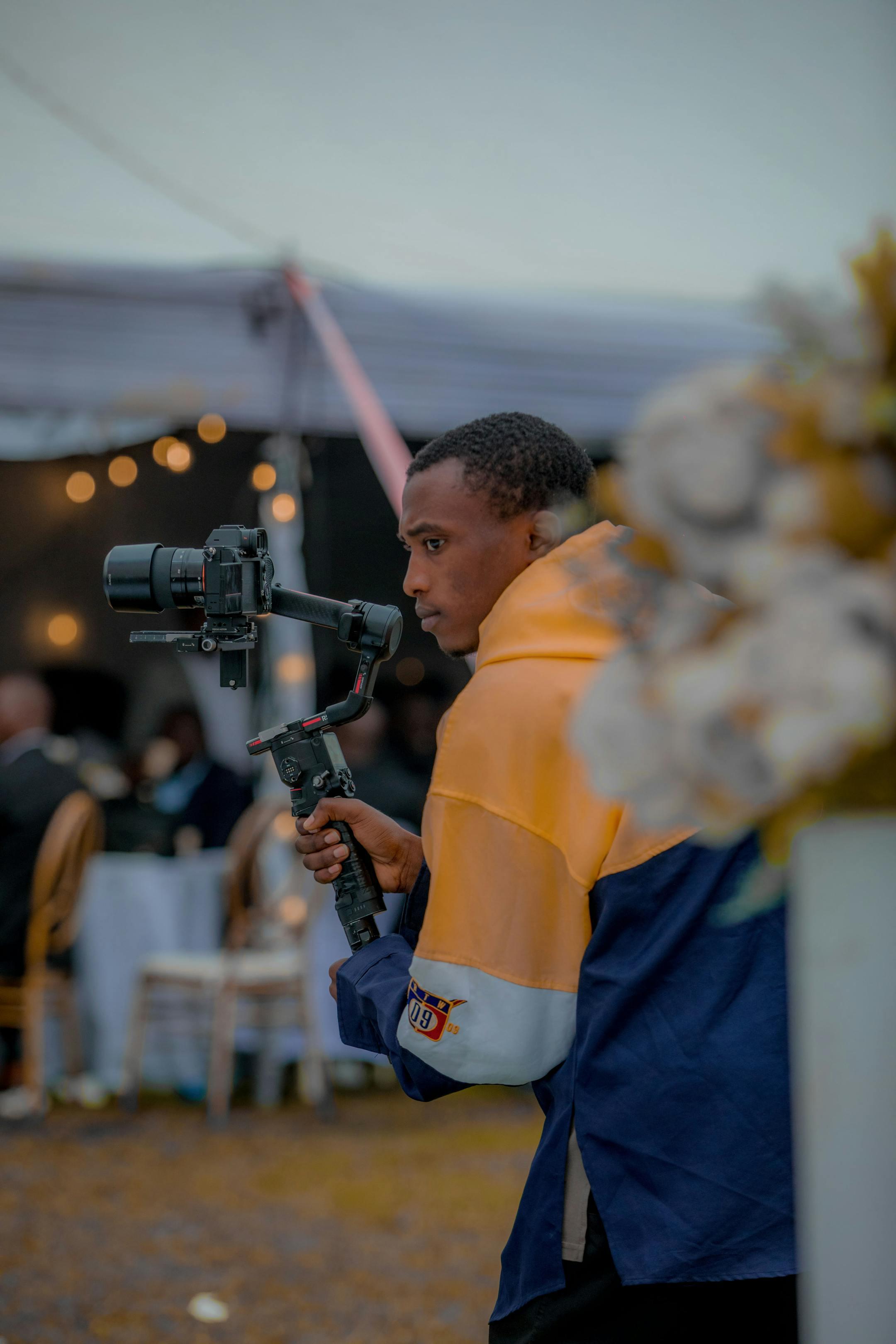
There’s a major shift happening right now in global cinema, and honestly, I don’t think enough people in the United States fully recognize it yet.
African cinema is no longer quietly waiting for validation from Hollywood or elite film institutions. It’s entering a new era entirely.
Coverage from The Hollywood Reporter
during this year’s Cannes Film Festival highlighted increasing representation from filmmakers connected to Nigeria, Rwanda, Morocco, Congo, and the Central African Republic. That matters because it signals something larger than festival buzz. It signals momentum.
African filmmakers are gaining visibility on the world stage while simultaneously reshaping how global cinema operates. Their stories, rooted in cultural nuance, local identity, and authentic lived experience, are resonating with international audiences who are increasingly burned out on formulaic storytelling.
And what’s interesting is this shift didn’t happen because traditional gatekeepers suddenly became generous.
Technology changed the equation.
Streaming platforms, online criticism, diaspora audiences, social media, YouTube film culture, and platforms like Letterboxd are helping filmmakers bypass systems that historically controlled who received visibility and who remained invisible. Twenty years ago, if a filmmaker lacked major distributor backing or festival access, their work often disappeared into obscurity. That wall is weakening now.
But visibility and power are not the same thing.
That’s the tension underneath all of this.
Major competition slots at elite festivals remain limited. Financing remains uneven. Distribution power is still concentrated in relatively few hands. Institutional access remains difficult even as audiences become more global and open-minded.
Still, African filmmakers are no longer merely participating in cinema’s global conversation. They’re redefining it.
That matters because diverse storytelling doesn’t just “add representation.” It expands cinema itself. It introduces new rhythms, new perspectives, new emotional frameworks, and different understandings of community, struggle, spirituality, family, and identity.
And honestly... this may create one of the most interesting opportunities for organizations like Gloriafilm.
I actually think this could become a very smart position for Gloriafilm if we approach it carefully and authentically.
Not because Gloriafilm should attempt to “lead” these movements. That would miss the point entirely. But because filmmaker-first organizations and regional film communities may become increasingly valuable as creators search for authentic partnerships outside traditional Hollywood infrastructure.
The future may belong less to giant centralized institutions and more to interconnected creative communities that respect storytelling wherever it originates.
That favors organizations willing to spotlight overlooked filmmakers before the larger industry catches up.
The danger, though, is performative alignment. Audiences are sophisticated now. They can tell the difference between genuine cultural curiosity and branding disguised as inclusion.
If Gloriafilm occupies this space meaningfully, it has to stay relationship-driven, filmmaker-first, and deeply respectful of stories outside its own experience.
That’s harder than slogans.
But long term, I think it’s far more valuable.
Why This Matters for Gloriafilm
Gloriafilm has an opportunity to become an authentic bridge between regional independent filmmakers and emerging global storytelling communities before larger institutions fully adapt to this cultural and cinematic shift.
3 Image Suggestions
African filmmakers networking during Cannes beside international cinema industry leaders
Independent African film crew shooting outdoors with vibrant city or village backdrop
Diverse global audiences watching African films during a packed international festival screening
10 Tags
African cinema, Cannes 2026, independent film, minority filmmakers, Gloriafilm, global storytelling, film festivals, diaspora audiences, international cinema, Hollywood gatekeeping
Sources
The Hollywood Reporter
Cannes Film Festival industry coverage and reporting
User-provided research and thematic analysis
Confidence: 9/10
*********************************************************
African Cinema Is Entering a New Era
12-Word Subtitle
African filmmakers are gaining visibility while challenging traditional global cinema power structures.
15-Word Summary
Streaming and diaspora audiences are helping African cinema bypass historical Western industry gatekeeping worldwide.
There’s a major shift happening right now in global cinema, and I don’t think enough people in the United States are paying attention to it yet.
African cinema is no longer sitting quietly on the sidelines waiting for permission from Hollywood or elite film institutions to matter. It’s already moving into a different phase.
Coverage from The Hollywood Reporter
during this year’s Cannes Film Festival highlighted growing representation from filmmakers connected to Nigeria, Rwanda, Morocco, Congo, and the Central African Republic. That matters because it signals continued global interest in African storytelling, culture, and filmmaking voices that historically received very little institutional support.
But visibility and power are not the same thing.
That’s the real conversation underneath all of this.
Yes, African filmmakers are becoming more visible through festivals, streaming platforms, social media, YouTube criticism, Letterboxd culture, and diaspora audiences across Europe and North America. Audiences are discovering films in ways that bypass the old gatekeepers. Twenty years ago, if a film didn’t receive support from major distributors, critics, or festival programmers, it was almost invisible internationally. That wall is weakening.
Still, major competition slots inside elite festivals remain extremely limited. Funding access remains uneven. Distribution remains concentrated. Many filmmakers are still fighting for infrastructure, investment, and long-term sustainability instead of simply fighting for artistic recognition.
And honestly... that tension may create one of the most interesting opportunities in modern independent cinema.
This is where I think Gloriafilm should pay very close attention.
I actually believe this could become a sweet position for Gloriafilm if we approach it correctly.
Not because Gloriafilm can “save” anyone. That mindset would be arrogant and outdated. But because regional film communities, independent festivals, and filmmaker-first organizations may become increasingly important as global creators look for authentic partnerships outside traditional Hollywood systems.
The future may belong less to giant institutions and more to interconnected creative communities.
That favors organizations willing to spotlight overlooked filmmakers before the larger industry catches up.
It also favors organizations that genuinely understand cultural storytelling instead of treating diversity as temporary industry branding.
The danger, though, is performative alignment. A lot of organizations talk about global storytelling while still operating through the same narrow gatekeeping mentality underneath. Audiences can see through that now.
If Gloriafilm wants to occupy this space meaningfully, it has to stay filmmaker-first, relationship-driven, and genuinely curious about stories outside its own immediate experience.
That’s harder than posting slogans online.
But long term, I think it’s far more valuable.
Get updates on upcoming screenings, workshops, and inspiring stories from Gloriafilm Society.