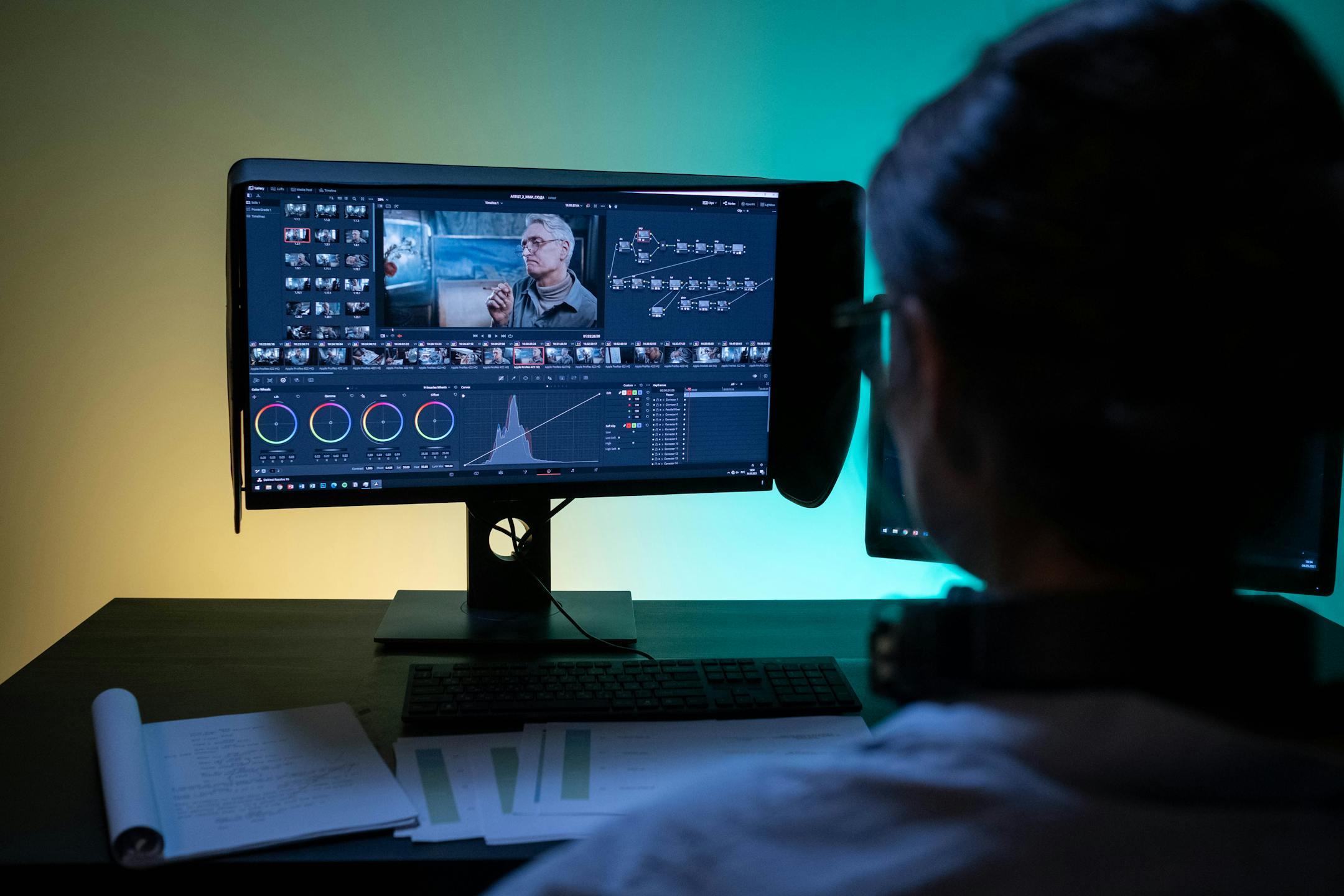
Something interesting is happening in filmmaking right now.
For most of film history, making movies required serious resources. You needed a crew, expensive cameras, lighting, editing systems, and usually access to studios. Independent filmmakers could break through, but the barrier to entry was always high.
Now that wall is starting to crack.
Artificial intelligence is beginning to change how films are created. Today, AI tools can generate images, video clips, voices, music, and even visual effects from a simple prompt. For storytellers who have spent years trying to raise money just to shoot a short film, that’s a pretty big shift.
In theory, someone with a laptop and a strong idea can now experiment with visual storytelling in ways that were almost impossible just a few years ago.
But before we start declaring a filmmaking revolution, it’s worth slowing down for a second.
AI filmmaking is here. But the industry is still very early.
Right now, several companies are trying to build what could eventually become a full AI production pipeline. One example is Creatorwood’s “Movie Machine,” a platform designed to bring multiple AI tools into a single workflow. The idea is simple. Instead of jumping between separate tools for images, voice, editing, and music, filmmakers could build an entire project in one environment.
If that works the way people hope it will, it could lower the barrier to entry for a lot of new storytellers.
But the technology still has real limitations.
AI video models struggle with consistency. Characters can suddenly change appearance from one scene to another. Movement can look unnatural. Complex scenes often require multiple attempts and creative workarounds just to get something usable.
And even when the technology works, the real challenge remains the same.
Story.
AI can generate visuals. It can produce images and sound. But it cannot replace the fundamentals of filmmaking. Story structure, character development, pacing, and emotional payoff still determine whether an audience stays with a film or checks out halfway through.
That’s why many filmmakers experimenting with these tools describe this moment as the “Wild West.”
The possibilities are wide open, but nobody really knows the rules yet.
For independent filmmakers, that creates both opportunity and uncertainty. The people who start learning these tools early may gain an advantage as the technology improves. At the same time, audiences are still figuring out how they feel about AI-generated visuals and storytelling.
What works today may look very different a year from now.
But one thing probably won’t change.
Technology can change how films are made. It cannot change why audiences watch them.
Great stories still win.
The filmmakers who succeed in this new era will likely be the ones who understand both sides of the equation. They respect the craft of storytelling, but they’re also willing to experiment with new tools as they emerge.
In other words, the tools may be changing. But storytelling itself isn’t going anywhere. The tools can enhance the story. It will never replace the story.
Get updates on upcoming screenings, workshops, and inspiring stories from Gloriafilm Society.