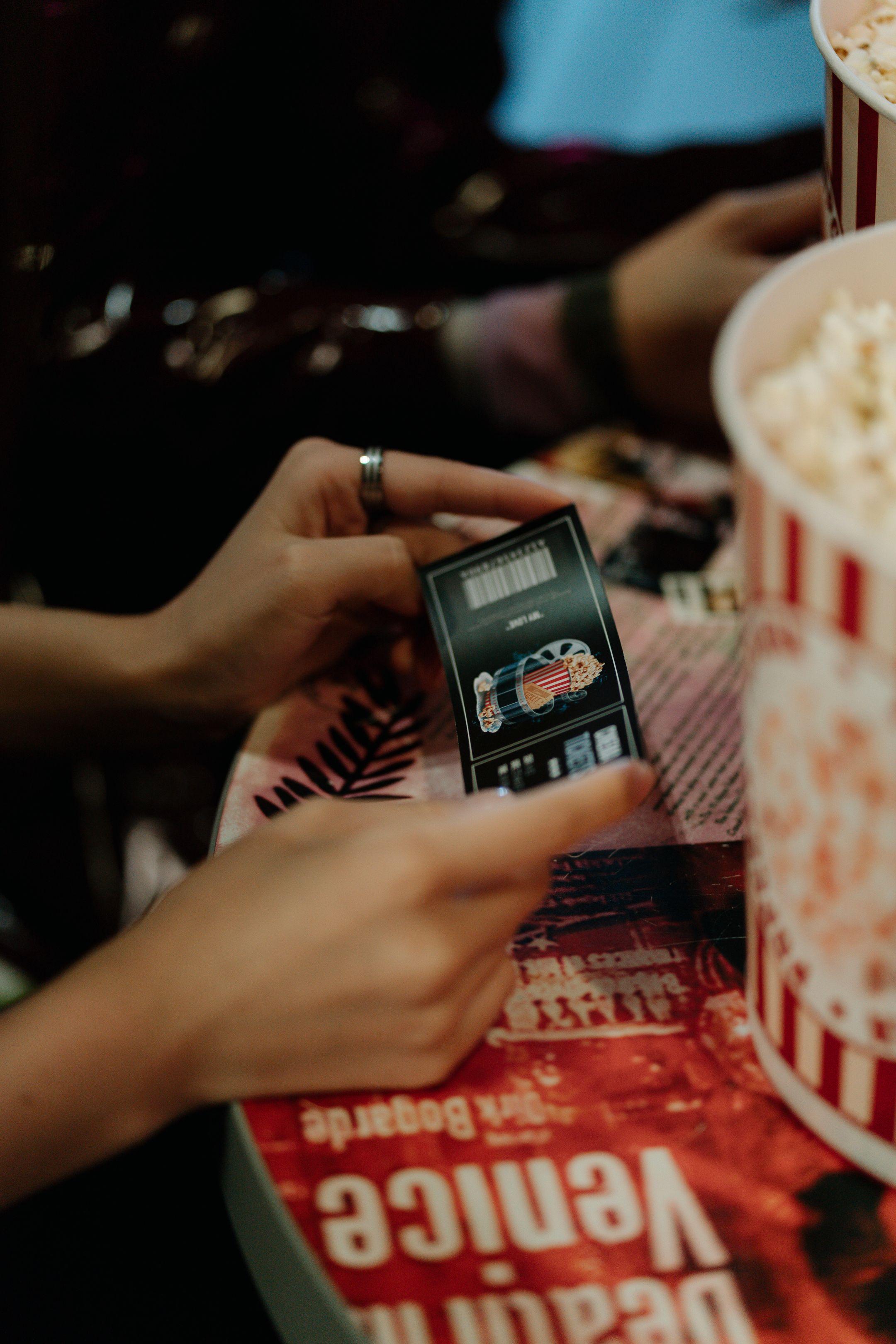
For years, Hollywood has relied on a familiar explanation whenever the box office fell short of expectations: audiences simply aren't interested in going to the movies anymore. It's an easy narrative to accept, especially after a pandemic reshaped entertainment habits and streaming became part of everyday life. Yet the evidence emerging in 2026 tells a different story. People haven't fallen out of love with movies. They've simply become far more selective about which ones deserve their time, attention, and money.
That distinction matters because it changes the conversation entirely. If audiences had truly abandoned theaters, every major release would be struggling. Instead, we've seen the opposite. Certain films have become cultural events, drawing enthusiastic crowds and proving that the theatrical experience remains alive and well. When viewers believe a movie offers something they can't replicate at home, they're still willing to buy the ticket, grab the popcorn, and share that experience with a room full of strangers.
The problem isn't that people have stopped going to the movies. The problem is that Hollywood has become accustomed to assuming it already knows what audiences want.
For decades, studios operated from a position of remarkable confidence. A recognizable franchise, a popular intellectual property, an A-list cast, and a massive marketing campaign often created the momentum needed for a successful opening weekend. Success wasn't guaranteed, but there was a widespread belief that familiarity, combined with enough advertising, could overcome almost any obstacle.
That formula appears to be losing its power.
Some of this year's most anticipated releases arrived with every imaginable advantage, including established fan bases, enormous production budgets, and worldwide promotional campaigns. Yet several failed to generate the enthusiasm their studios expected. At the same time, other films captured audiences' imagination because they felt fresh, emotionally compelling, or simply impossible to miss. Those successes weren't accidents. They reflected a growing willingness among moviegoers to reward stories that genuinely excite them rather than films they feel obligated to see because of a famous logo or familiar character.
In many ways, audiences have quietly reclaimed the most influential role in Hollywood.
Every ticket purchased represents a vote of confidence. Every ticket left unsold sends a message that no focus group or marketing executive can ignore. Unlike traditional audience research, the box office reflects real decisions made with real dollars. It isn't shaped by optimistic projections or social media buzz. It reveals what people actually value enough to experience on the big screen.
Streaming has played an important role in this shift. During the pandemic, studios taught audiences that patience often came with a reward. Instead of rushing to theaters, viewers learned they could wait a few weeks and watch the same film from the comfort of home. Although theatrical attendance has recovered, that new habit hasn't disappeared. Every theatrical release must now answer a question it rarely faced a decade ago: Why should I see this now instead of waiting?
That's a much higher standard than Hollywood once faced, and it extends beyond competition between studios. Today's films aren't simply competing against one another. They're competing against streaming services, YouTube creators, podcasts, social media, video games, and countless other ways people can spend two hours of their day. In an economy where attention has become increasingly scarce, earning that attention is often more difficult than financing the film itself.
Perhaps that's why audiences seem remarkably consistent in the message they're sending.
They aren't rejecting franchises. They aren't demanding that every film be original. Nor are they insisting that every blockbuster disappear. What they are rejecting is the assumption that brand recognition alone should be enough. Familiar characters may generate curiosity, but they no longer guarantee commitment. Nostalgia may attract attention, but it rarely sustains it. Audiences have become more discerning, expecting studios to earn their trust rather than inherit it.
Ironically, this shift may represent one of the healthiest developments Hollywood has experienced in years.
When success depends less on marketing budgets and more on audience enthusiasm, storytelling becomes increasingly important. Independent filmmakers gain opportunities to stand alongside major studios because originality, authenticity, and emotional connection become meaningful competitive advantages. Large studios benefit as well, provided they're willing to adapt. Instead of asking how to make movies bigger, they may need to ask how to make them matter.
That subtle difference could shape the industry's future.
Hollywood has always been in the business of telling stories, but stories ultimately belong to the people who embrace them. Studios can finance productions, filmmakers can craft extraordinary work, and critics can debate artistic merit for years. In the end, however, audiences decide which films become part of our shared culture. They always have.
The difference in 2026 is that Hollywood can no longer pretend otherwise.
The audience hasn't walked away.
It has simply taken back control.
Get updates on upcoming screenings, workshops, and inspiring stories from Gloriafilm Society.